- Our Services
Exploration
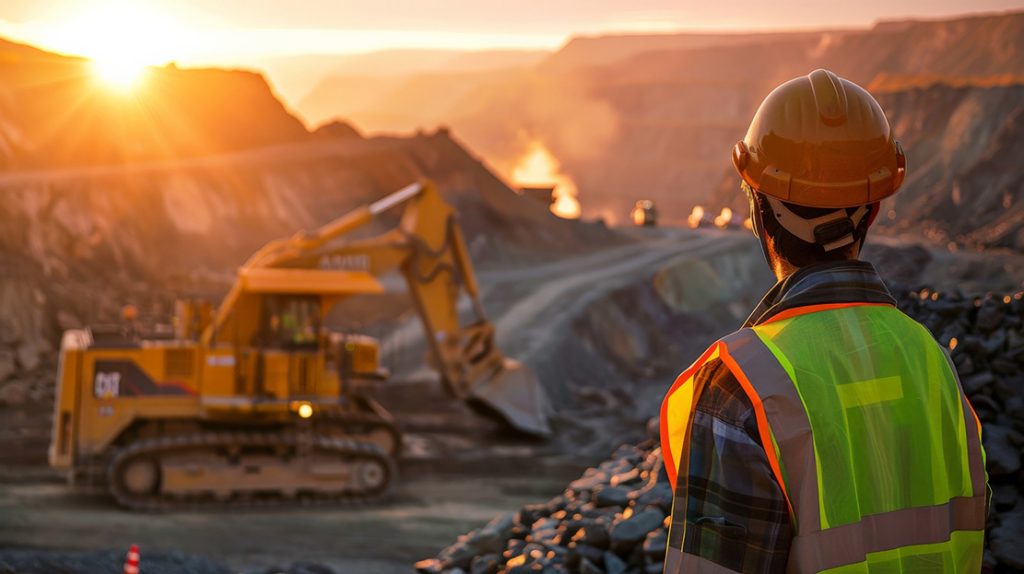
Exploration is the process of searching for and assessing mineral resources, aimed at identifying, defining, and evaluating the potential of mineral reserves in a specific area. This activity includes the following subfields:
◆ Exploration Management
Comprehensive management of all aspects of exploration activities, including planning, organizing, and controlling resources.
◆ Topographic Mapping
Pembuatan peta bentuk permukaan bumi untuk mengidentifikasi karakteristik fisik yang berpengaruh terhadap eksplorasi dan kegiatan penambangan.
◆ Geological Mapping
Preparing maps that depict rock types, geological structures, and relationships between rock units to assess mineral potential and geological conditions of an area.
◆ Geochemistry
Studying chemical elements in rocks, soils, and water to analyze geological processes and detect potential mineral content.
◆ Geophysics
Applying physical methods such as gravity and seismic surveys to understand subsurface structures and detect mineral resources without direct excavation.
◆ Subsurface Survey
Techniques used to reveal geological conditions below the surface, including rock formations and structures.
◆ Geotechnical Studies
Investigating the physical and mechanical properties of soil and rock as a basis for engineering or mining infrastructure design.
◆ Exploration Drilling
Drilling activities to obtain subsurface samples for laboratory analysis.
◆ Exploration Sampling
Creating geological visual models from collected data, used to design further exploration strategies.
◆ Resource and Reserve Estimation
Quantitative evaluation of the amount of mineable mineral resources and reserves based on gathered exploration data.
 English
  Indonesian